Overview
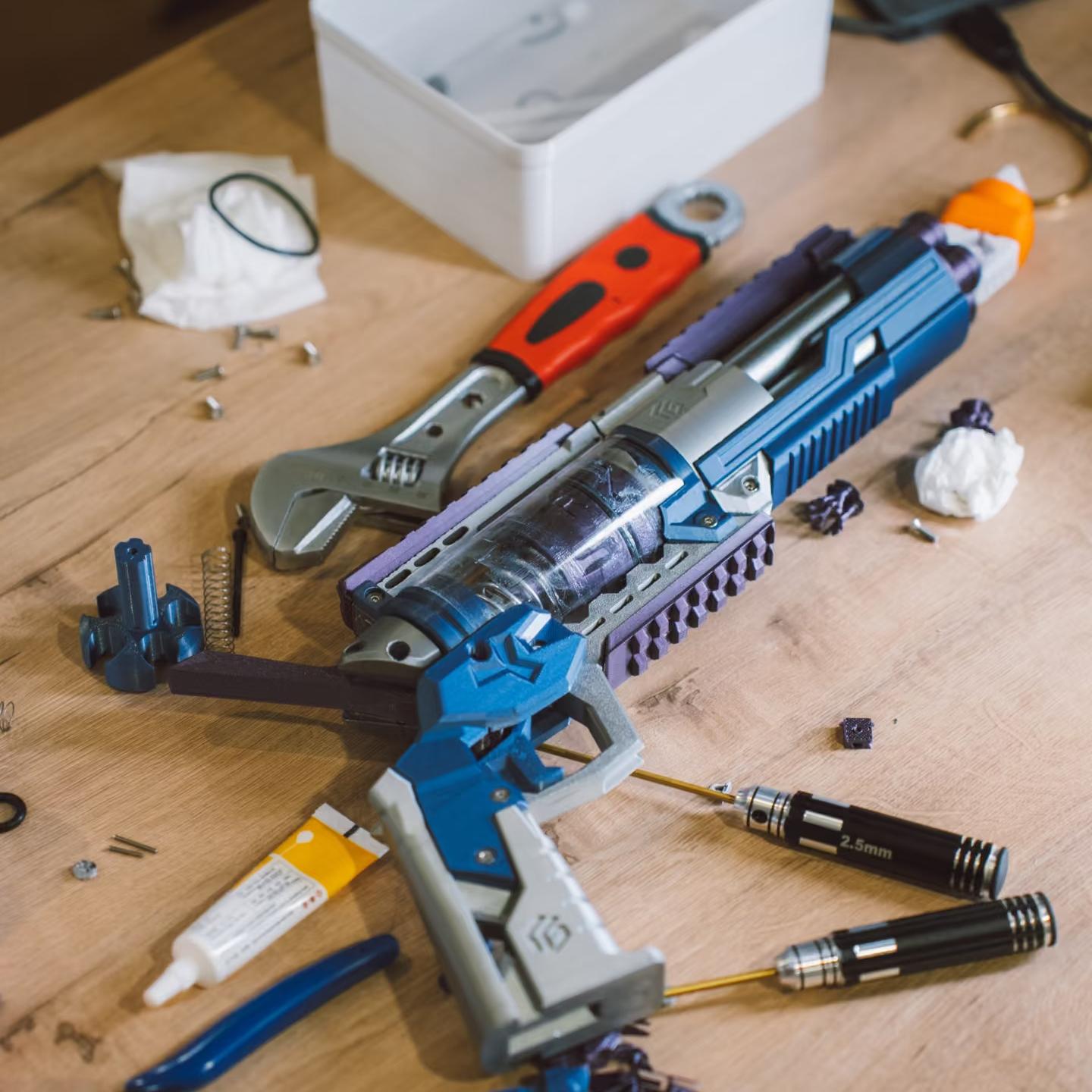
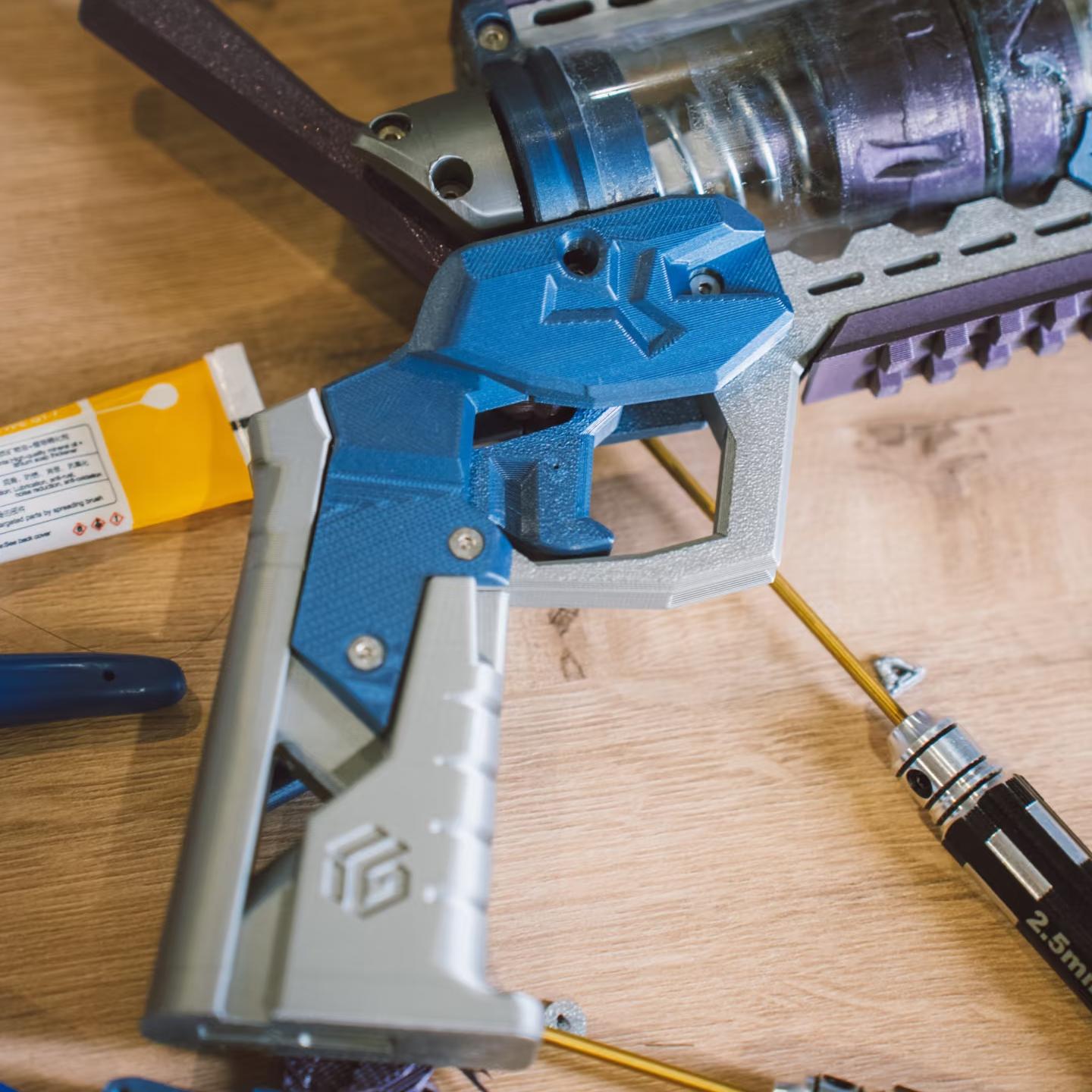
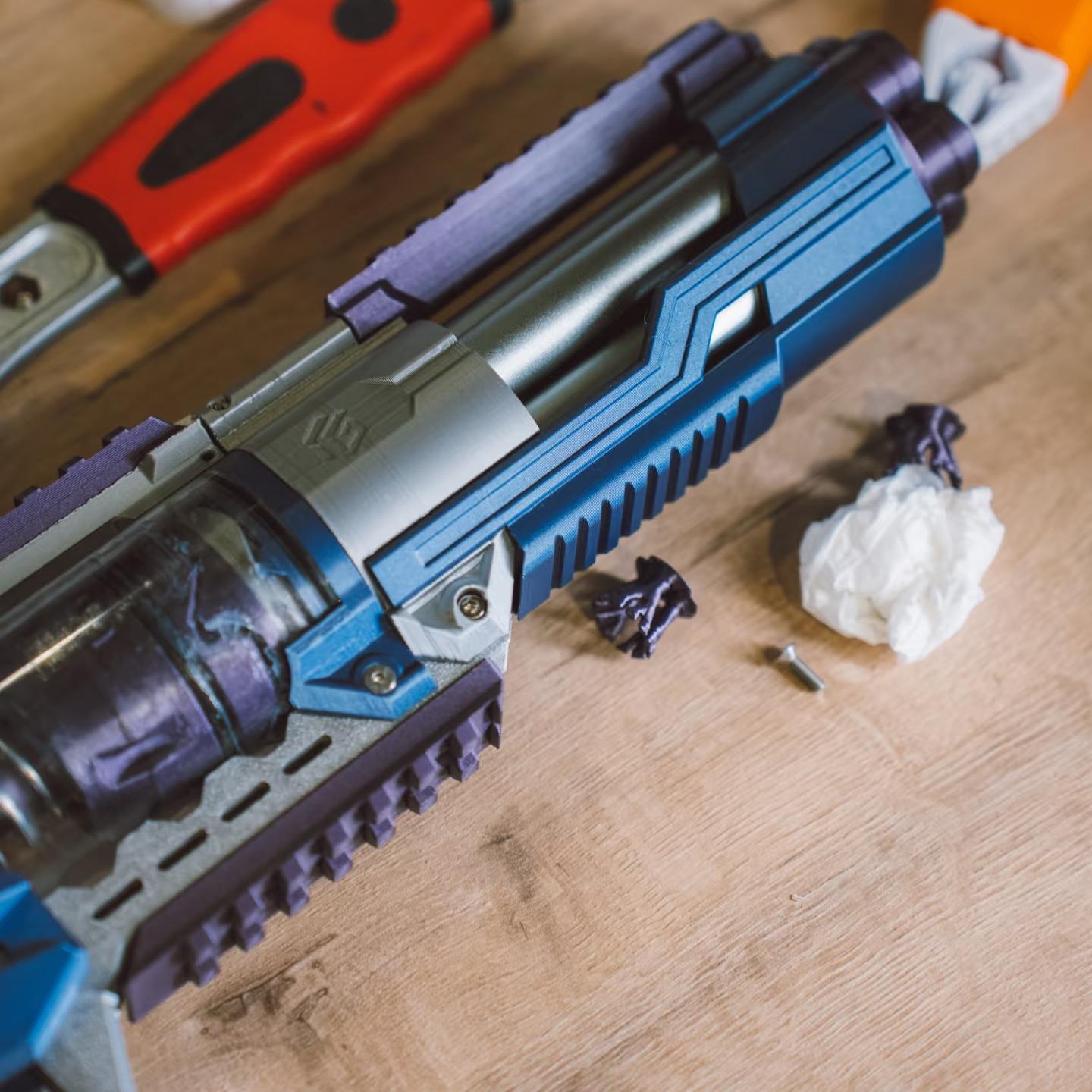
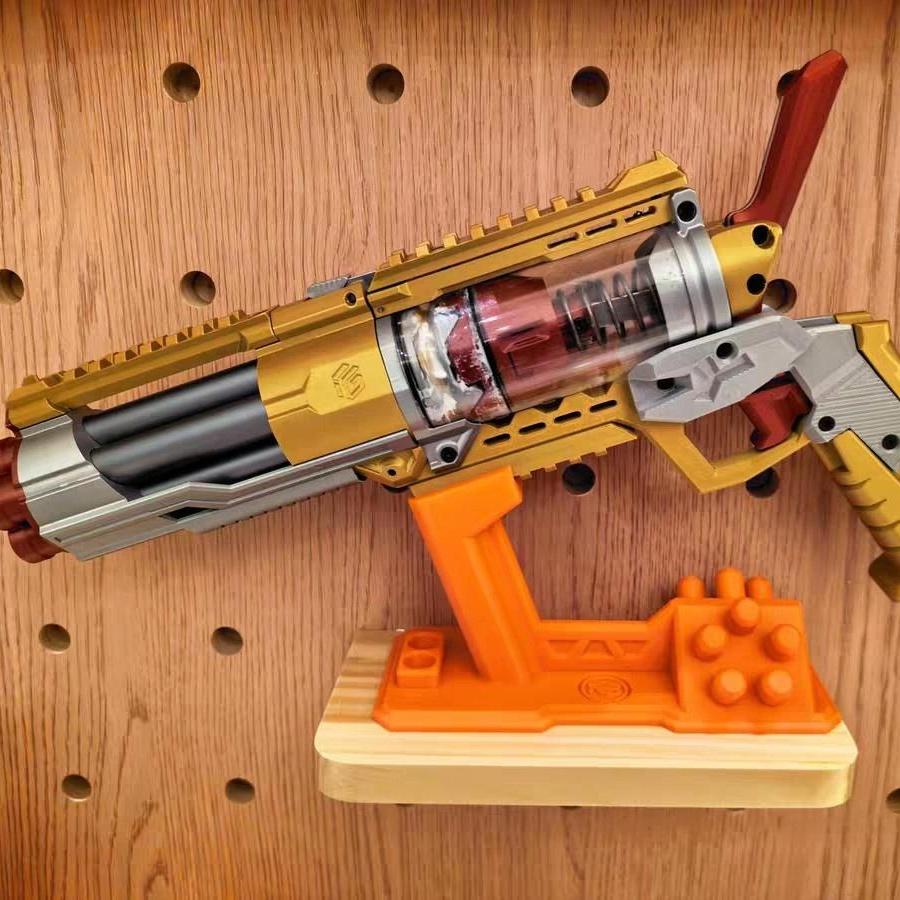
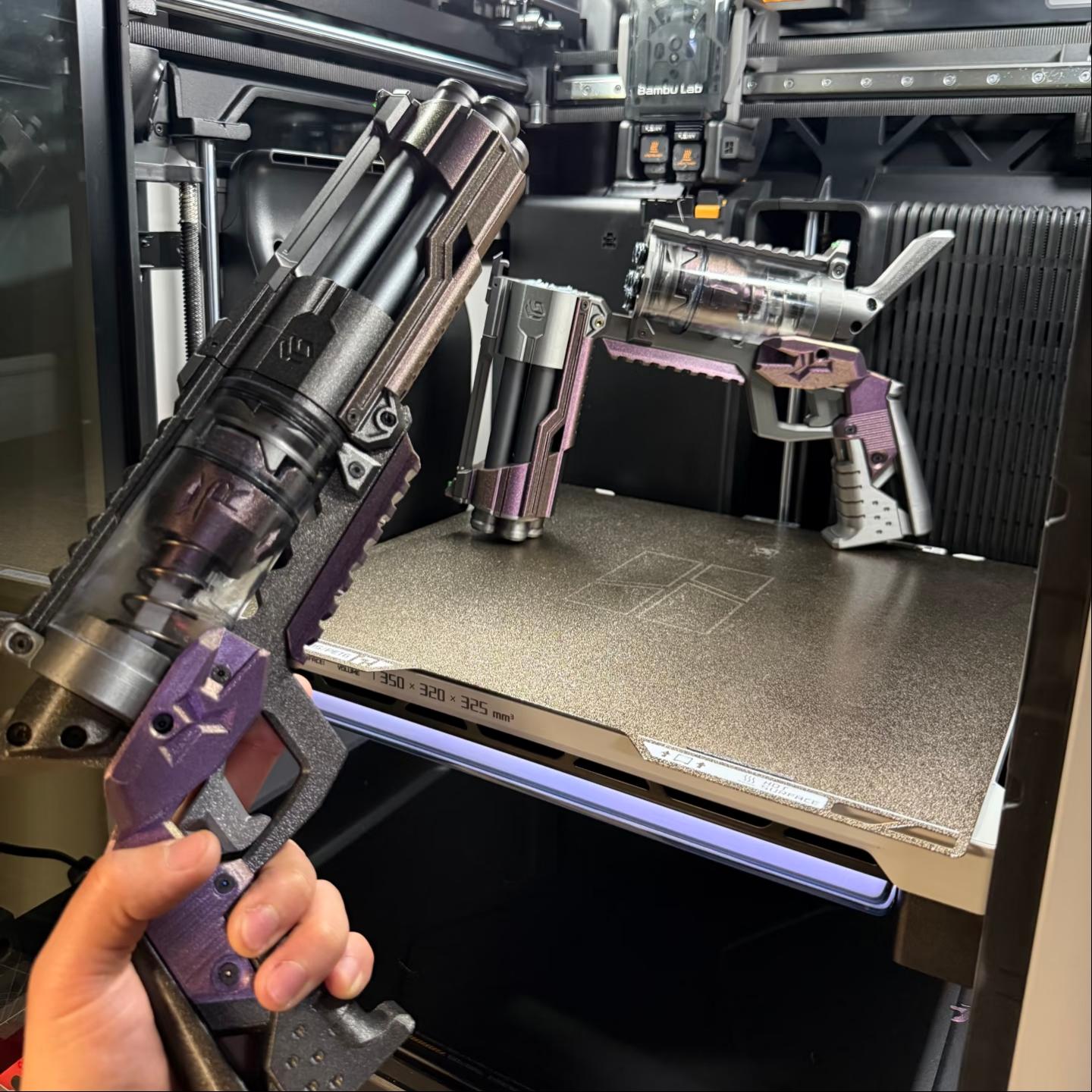
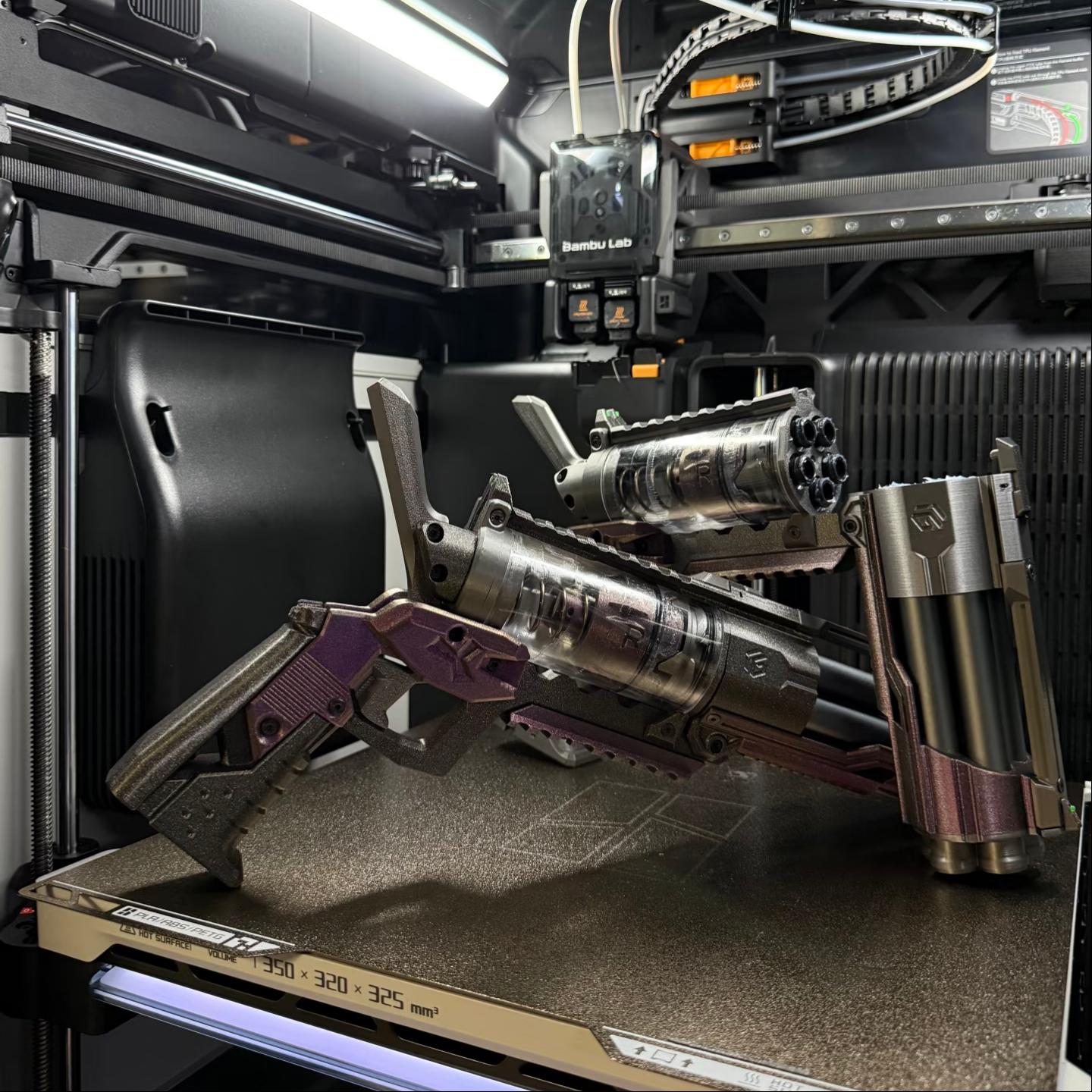
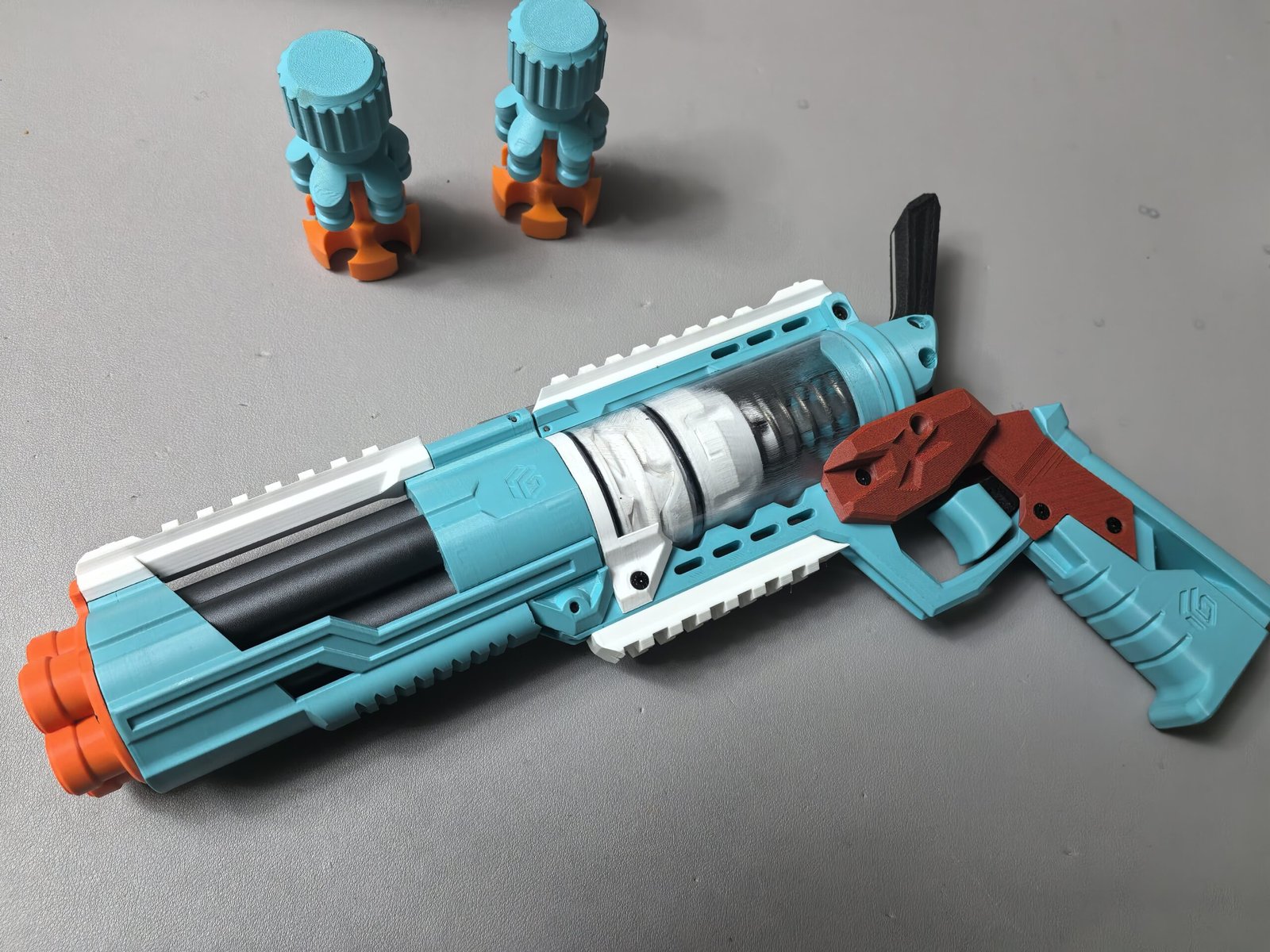
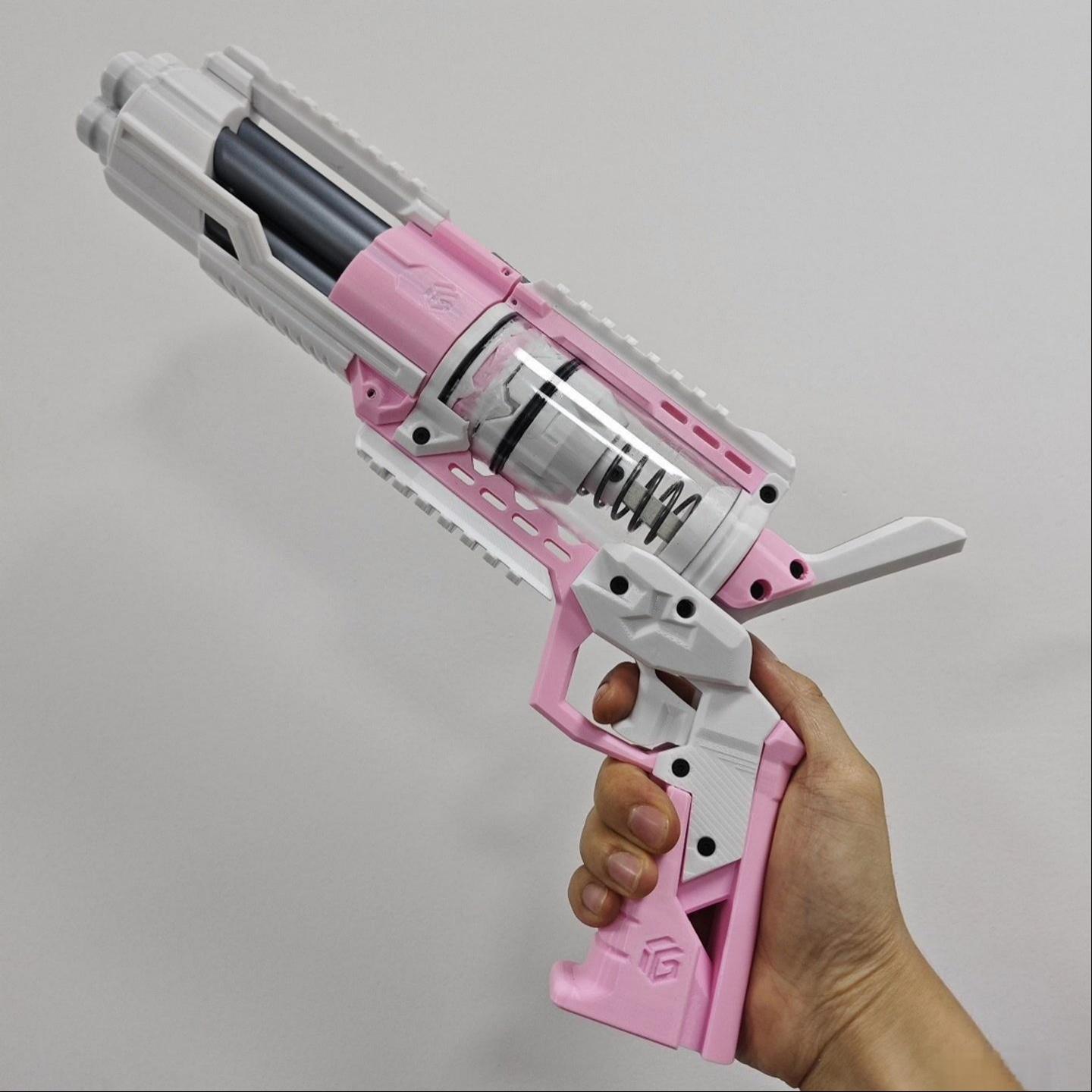
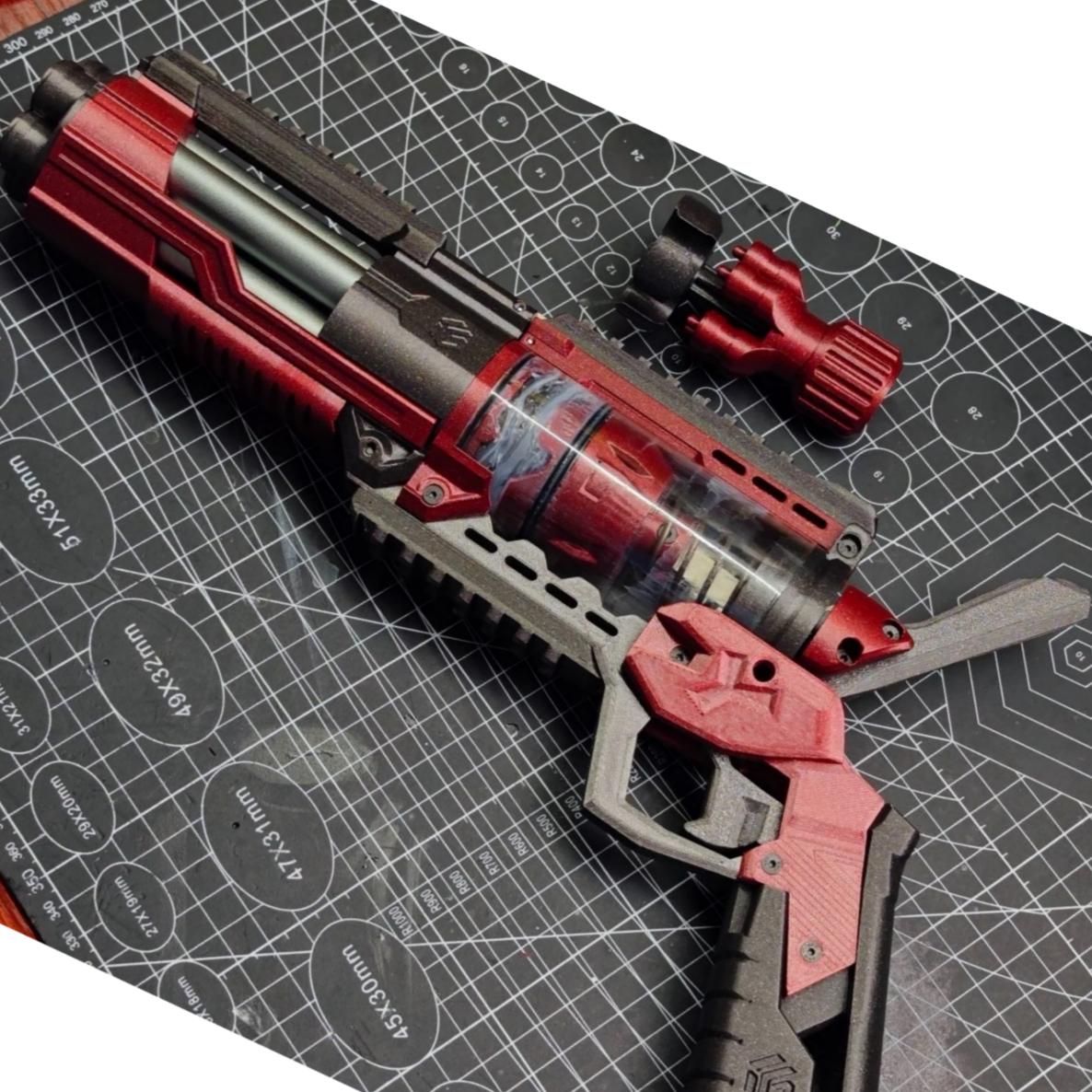
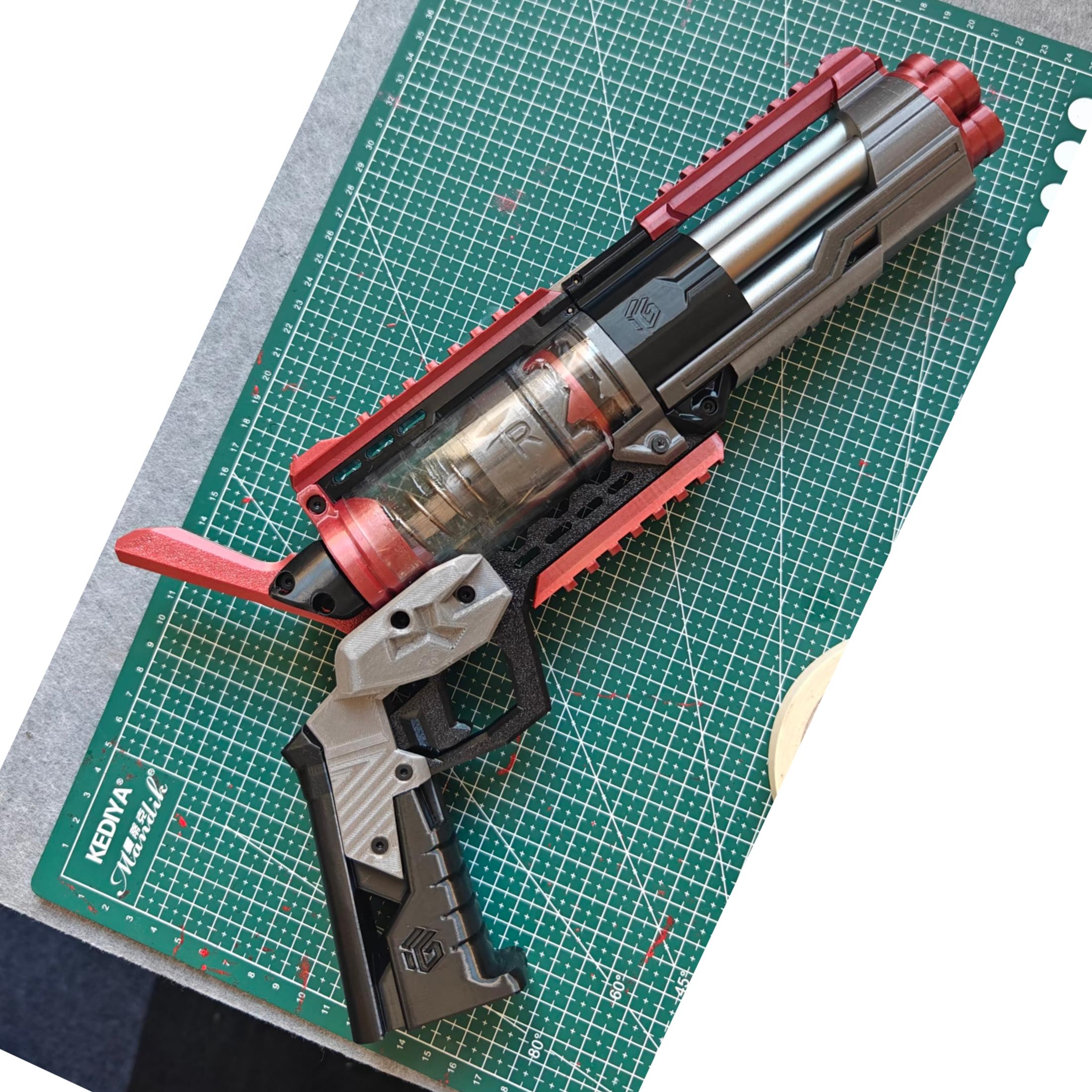
Pepperbox Mk II is the latest iteration in the Pepperbox line of 3D-printed foam dart blasters.
This version reflects a careful balance between mechanical creativity, ease of fabrication, and overall user experience.
Design Background
The Pepperbox project traces its early roots to the YEHW design by Captain Slug.
Special thanks to Captain Slug for the original YEHW, which served as early inspiration for this project.
Through multiple generations of redesign and experimentation, the Pepperbox platform gradually developed its own distinct character, giving rise to several derivative launchers with different play styles.
Among them, Pepperbox Mk I stood out for its unconventional feeding mechanism and its thoughtful approach to improving hands-on experience.
From Mk I to Mk II
Lao Gong is a designer who places great importance on the completeness and integrity of his work.
For him, a design is not finished at the CAD stage—it also includes how easily it can be printed, how clearly it can be assembled, and the quality of the hardware and packaging that ultimately reach the user.
In response to feedback from the community, Lao Gong revisited the limitations of Pepperbox Mk I that he had previously discussed in his videos.
After several rounds of refinement and validation, these issues were successfully addressed, resulting in Pepperbox Mk II.
Product Experience
Pros:
From the product images and videos, it is easy to see that Pepperbox Mk II is designed with accessibility in mind.
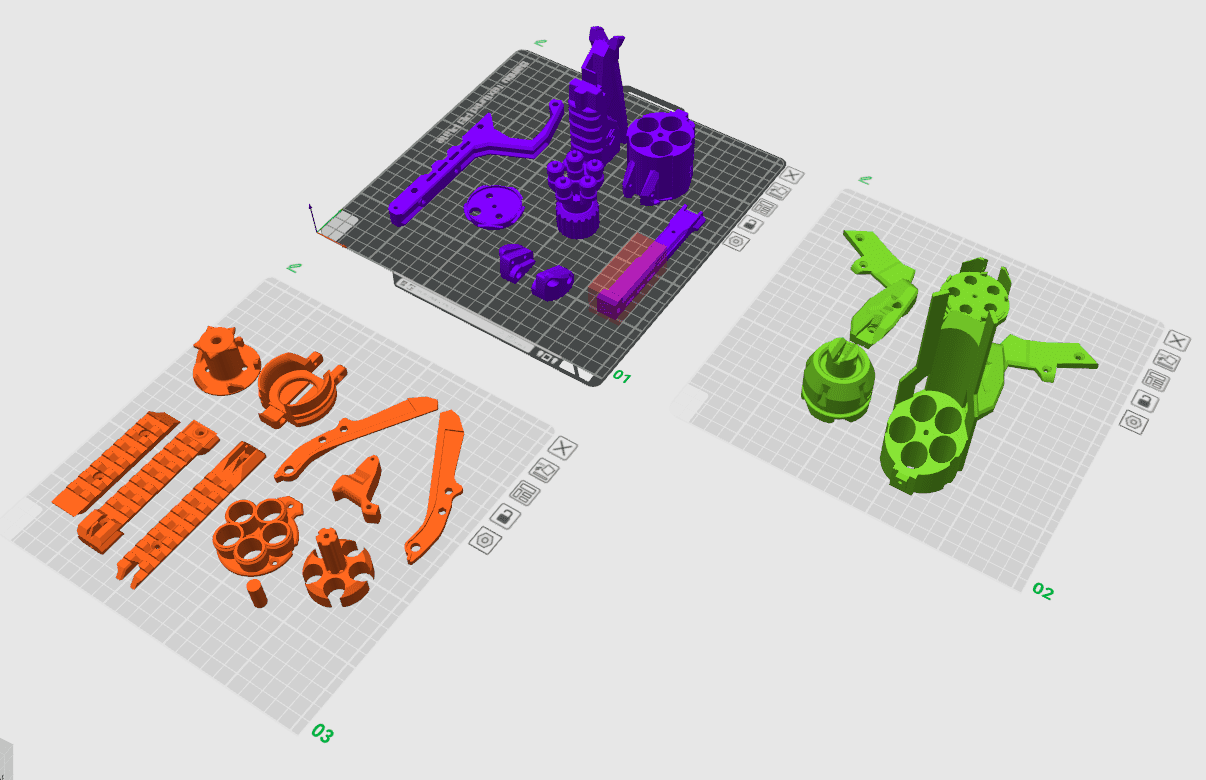
The print files are straightforward, the printing difficulty is low, and the assembly process is intentionally kept simple and intuitive.
At the same time, the blaster retains a playful and engaging operating style, making it enjoyable both to build and to use.
Cons:
1. Trigger and Priming Lever Wear
If the trigger and priming lever are printed in PETG, these high-wear contact parts can wear relatively quickly, eventually causing the mechanism to fail to catch reliably.
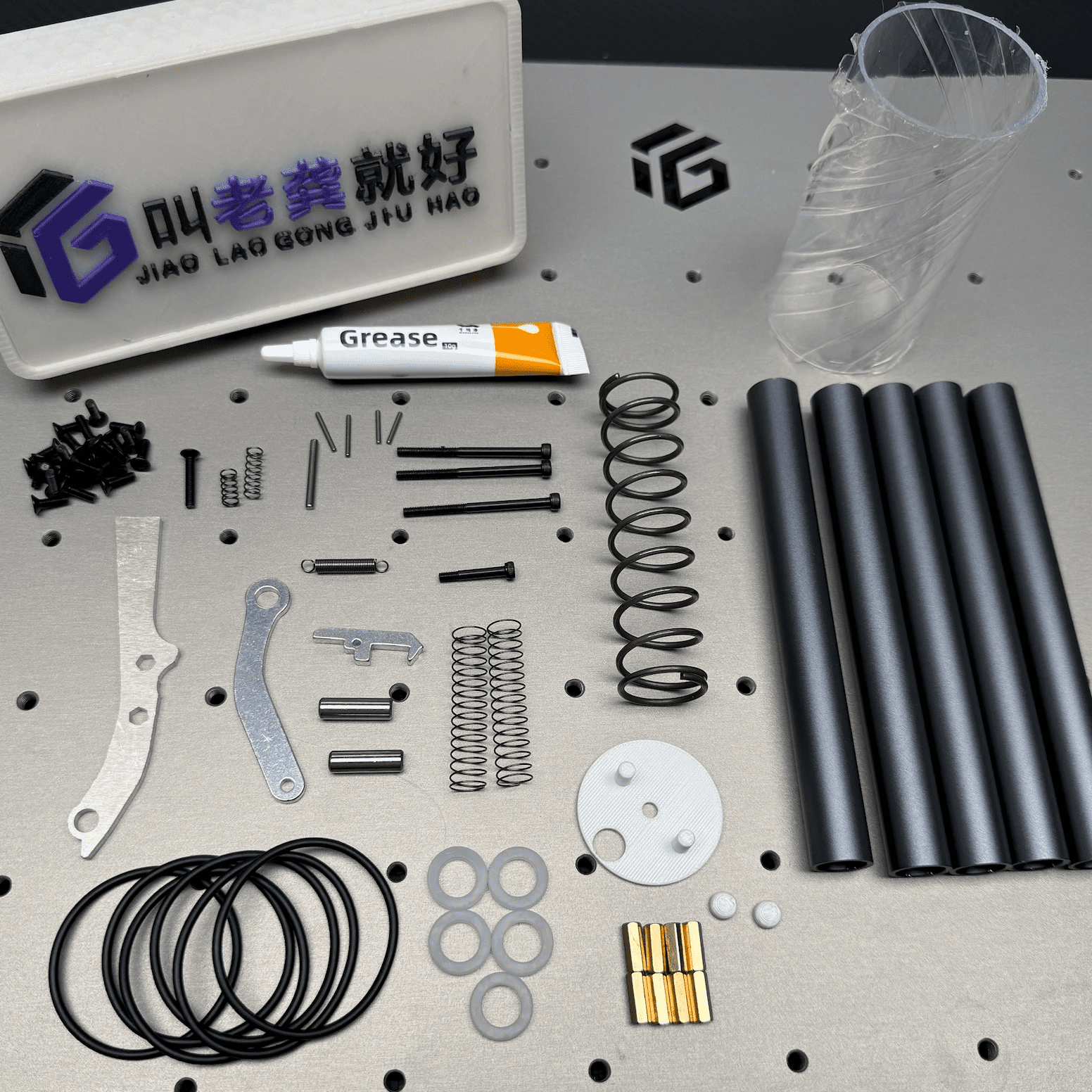
To eliminate this issue, this kit includes a PA6-CF trigger and priming lever printed by PewPewPew. PA6-CF is far more suitable for these high-wear parts and effectively eliminates the wear-related catching issue found with PETG.
The only downside is that these PA6-CF parts are currently available in black only, so there is less flexibility for color-matched builds.
2. Plunger Head Durability
The original plunger head can be prone to breaking near its base. After examining the failure point, I found that the issue appears to be related to the print-layer structure in this high-stress area.
I have added a modifier block to improve the layer structure around this section. Please use the provided modifier when printing the plunger head.
My modified version has been used extensively and has survived 200+ dry-fire test cycles without failure. However, this kind of repeated-impact failure is difficult to predict, so my test result should not be taken to mean that every print will necessarily survive the same number of cycles.
The files also include a TPU + PETG hybrid version of the plunger head. If you have experience printing TPU, this is the version I recommend for maximum durability.
3. PewPewPew Complete Builds
Completed Pepperbox Mk II blasters sold by PewPewPew will use the TPU + PETG hybrid plunger head as standard for improved durability.
Consistent with Lao Gong’s long-standing approach, any upgrade that requires new hardware will be provided free of charge.
This website follows the same policy in accordance with the designer’s wishes.
Performance Notice
Pepperbox Mk II operates at approximately 120-130 FPS.
⚠️ This product is not intended for high-FPS competitive war games.
Players who prioritize maximum muzzle velocity should consider this carefully before purchasing.
Additional Notes
Print time and filament usage may vary depending on printer, slicer, and print settings.
Assembly instructions and related files are provided by the designer.